Concrete Patio, Steps, and Structural Work in Connecticut
When we install a concrete patio for a Connecticut homeowner, we design the layout with drainage as the primary structural concern — establishing slope away from the house foundation at a minimum of one-eighth inch per foot so rainwater and snowmelt do not pool against the structure or collect on the patio surface. We form the patio perimeter, prepare the sub-base, place the concrete at correct thickness with control joints at the intervals and locations that will manage cracking, and finish the surface to the texture the homeowner selects — broom finish, exposed aggregate, or smooth.
Concrete steps in Connecticut are exposed to some of the most concentrated freeze-thaw stress of any concrete application — each tread and riser collects water that freezes, expands, and degrades the concrete surface with every cycle. We pour steps with higher-strength concrete mixes where appropriate, air-entrained to create microscopic voids that accommodate the expansion of freezing water without cracking the surface. We also integrate properly sealed joints between the step structure and any adjacent slab or foundation so differential movement between the two systems does not cause cracking or separation at the connection point.
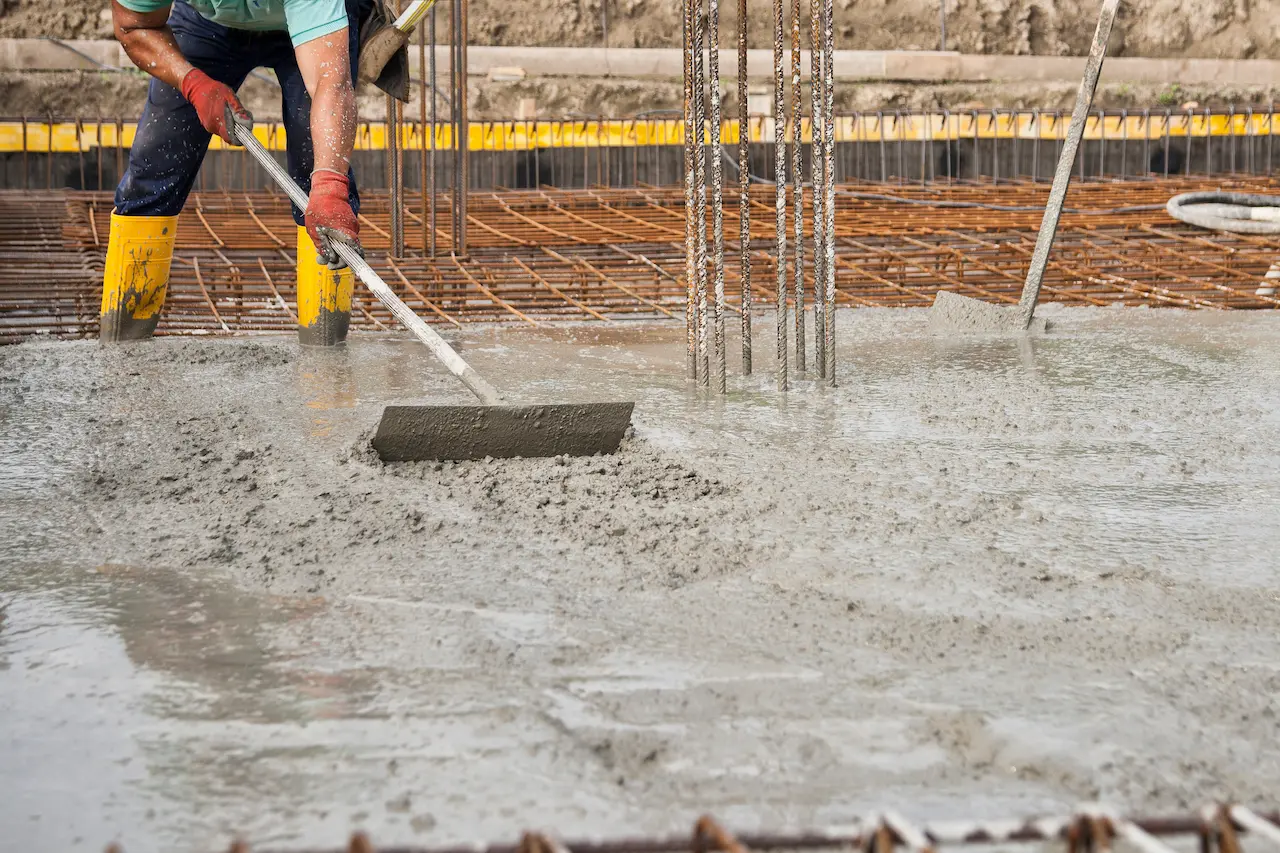
For structural concrete work — footings, foundation walls, retaining walls, and slabs that carry building loads — we work from engineered plans where they are required and apply the correct mix design, reinforcement, and placement sequence for each application. Foundation footings in Connecticut must be below the frost line, and retaining walls must be designed to handle the lateral soil pressure and hydrostatic load they will carry. We do not approach structural concrete the same way we approach a residential walkway, and we do not substitute judgment for engineering when the application requires an engineer's stamp.